Water, Sanitation and Hygiene (WASH)
Providing access to clean water, safe sanitation, and hygiene education for pastoralist communities
Why WASH is Urgent
Ethiopia experiences high rates of communicable diseases due to poor sanitation and unhygienic behavior. The situation is perpetuated by inadequate coverage and access to WASH facilities.
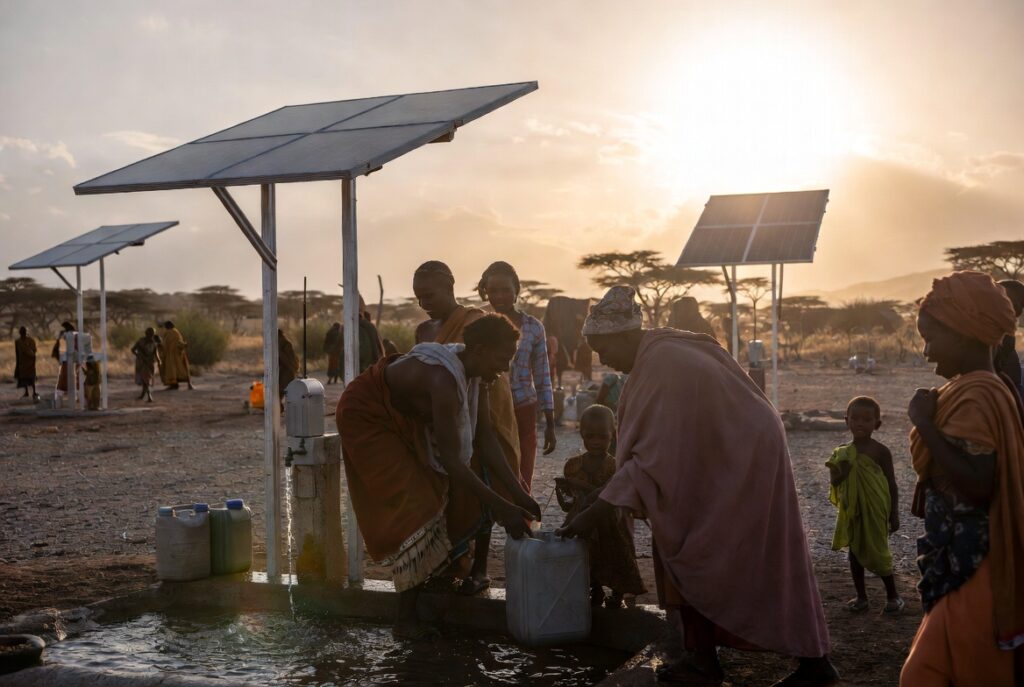
The right to water is a basic human right. Yet in pastoralist regions:
• Water sources are often unprotected (spring water, shallow wells, rainwater)
• Families walk long distances to fetch water
• Lack of sanitation facilities affects health, especially for women and girls
PRDO works to ensure that every household has access to safe, sufficient, and affordable water, along with proper sanitation and hygiene education.
Key WASH Principles
Sufficiency:
15-25 liters per person per day
Safety:
Water must meet WHO drinking quality standards
Accessibility:
Within 1,000-1,500 meters of the household
Affordability:
Should not affect ability to buy essential goods
| 💧 | Access to safe drinking water |
| 🚽 | Increased latrine and sanitary facility use |
| 🧼 | Improved personal hygiene practices |
| 👧 | Reduced time for women and girls fetching water |
Key Result: Reduced effects from WASH problems
Interventions:
Construct, operate, and maintain community safe water supply systems
Promote and scale up rainwater harvesting at household and community level
Improve functionality, sustainability, and source protection of water systems
Establish coordination bodies and committees
Key Result: Improved knowledge, attitude, and practice on WASH
Interventions:
Conduct training of trainers on water supply, sanitation, and hygiene
Train teachers and students on SWASH practices at school
Establish school SWASH clubs and Woreda-level competitions
Key Result: Availability and maintenance of WASH facilities
Interventions:
Provide sanitary facilities for communities
Provide water facilities (wells, taps, rainwater harvesting)
Provide hand washing facilities with separate rooms for men and women
Key Result: Gender, disability, environment, and HIV/AIDS issues addressed
Interventions:
Develop separate sanitation facilities for boys and girls
Develop WASH facilities for people with disabilities
Ensure proper disposal and recycling of sanitary wastes
Provided with access to clean water and sanitation facilities

Clean Water Changes Everything
Your support can bring clean water to a family, keep girls in school, and prevent waterborne diseases.