Internal Capacity Building
Strengthening PRDO to better serve pastoralist communities
Building a Stronger Organization
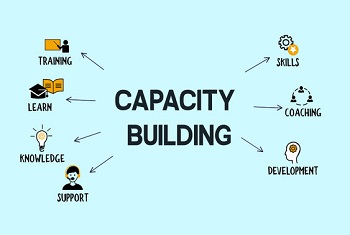
Organizational capacity building is the process of enhancing an organization’s abilities to perform specific activities. For PRDO to be an effective facilitator of development in pastoralist areas, we must first build our own internal capacity.
Our approach focuses on developing a skilled workforce, robust systems, and a strong organizational culture that enables us to fulfill our mission effectively and sustainably.
Key areas of capacity building include:
• Decision-making and policy formulation
• Program appraisal and learning
• Human resource development
• Financial and physical resource management
• Stakeholder engagement and partnerships

What We Aim to Achieve
To develop a respectful and compassionate workforce
To enhance Human Resource Development (HRD), organizational systems, and physical facilities
To enhance capacity on operational services and staff qualifications
To enhance relationships, coordination among staff, and exchange of ideas
| 🏆 | PRDO becomes competitive among similar organizations |
| 💼 | Strengthened delivery of competencies for the workplace |
| 📢 | Reputation of PRDO enhanced; services expand |
| 📍 | Increased number of geographic coverage areas |
Our Capacity Building Framework
Key Interventions:
Identify gap areas and arrange in-house or outsourced training
Engage stakeholders on capacity development
Undertake selection and recruitment of talented professionals
Strengthen implementation of capacity building financing mechanisms
Institutionalize staff motivation and retention mechanisms
Assess and update operational manual to meet objectives
Restructure organizational structure as needed
Revise salary and benefit packages in response to market
Purchase vehicles to facilitate timely operations
Purchase office furniture, equipment, and computers
Expected Outcomes:
Qualified workforce retained
Workforce skills developed
Standardized operations provided to the community
Key Interventions:
Organize consultative meetings with stakeholders, partners, and collaborators
Conduct promotional packages using electronic and print media
Design and regularly update website with new developments and actions
Expected Outcomes:
Reputation of PRDO enhanced
Services expanded to new areas
Greater recognition among donors and partners
Key Interventions:
Undertake baseline studies in potential new areas
Identify areas for planned expansion
Establish steering committee to review baseline results
Decide on areas for project operationalization
Conduct quality assurance reviews
Expected Outcomes:
Increased number of coverage areas
More pastoralist communities served
Key Interventions:
Intensify collaboration with Ministry Organizations, NGOs, partners, donors, and local communities
Establish regular communication channels
Participate in coordination forums and working groups
Expected Outcomes:
Improved functional relationships
Reduced duplication of efforts
Enhanced resource mobilization
✓ Will and commitment at all levels of the organization
✓ Ownership of the plan by all staff and stakeholders
✓ An integrated Monitoring & Evaluation system
✓ Effective use and management of information for decision making
✓ Effective partnerships among owners of the plan
✓ Human resource capacity and conducive working environment
✓ Effective and efficient resource mobilization and utilization
| 💰 | Enhance resource base and mobilization capacity |
| 🤝 | Consolidate networking and collaboration with key stakeholders |
| 🏗️ | Strengthen internal capacity of PRDO |
| 👥 | Retain committed and experienced staff |
| 📢 | Scale up the visibility of PRDO |
| 📊 | Enhance project design, monitoring, and evaluation capacity |
Partner with PRDO to Build Stronger Communities
A stronger PRDO means better service for pastoralist communities. Support our capacity building efforts.