Alternative Education for Pastoralist Children
Opening access to quality education for rural, poor, and remote pastoralist communities
Why Alternative Education Matters
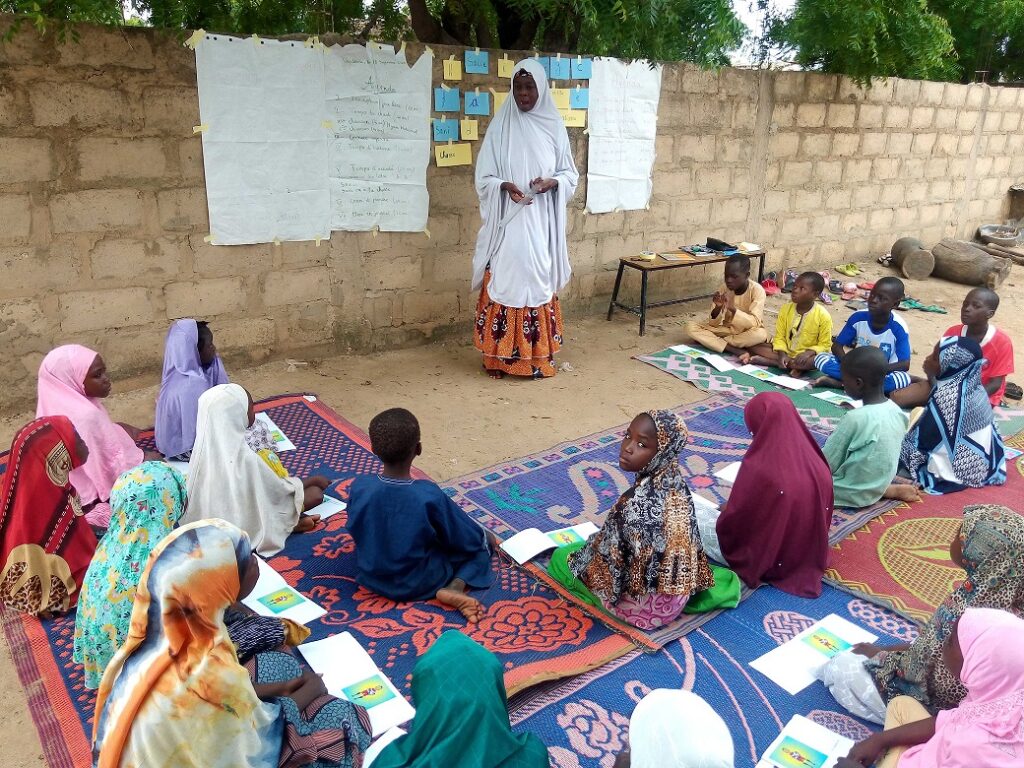
In Ethiopia’s pastoralist regions, access to formal education is severely limited due to geographic isolation, cultural barriers, and poverty. Alternative Basic Education (ABE) bridges this gap.ABE is a proven model of non-formal education where learners cover the equivalent of the first four grades of primary school in just 3 years…(Include all the bullet points you gave me earlier)
Key Results
Increased Enrollment
Improve children's gross enrollment ratio in target areas
Reduced Attrition
Lower dropout rates for pastoralist children
Girls' Access
Improve women and girls’ access to schools
What We Aim to Achieve
- To open access to education for rural, poor, and remote pastoralist communities
- To provide accelerated learning opportunities for out-of-school children (ages 7-14)
- To create pathways for students to transition into formal schools
- To support school enrollment and attendance of Orphan and Vulnerable Children (OVC)
How We Deliver Alternative Education
Scaling up facilities
Expand alternative education facilities and ongoing programs
Community awareness
Promote the significance of education through community engagement
Teacher support
Train local facilitators in learner-centered methodologies
OVC support
Provide educational materials, uniforms, and nutritional support
Girl-focused initiatives
Encourage and support girls' enrollment and retention
Supported with alternative education over the plan period (2023-2027)

Help Us Educate a Child
Your support can send a pastoralist child to school and break the cycle of poverty.